
10 days / 9 nights Private
The Wilderness Wanderer
A 9-night drive-and-fly safari: Arusha and Tarangire by road, then by air into the Central and Northern Serengeti.

Locally owned safari company in Arusha, Tanzania
Wildlife safaris, Kilimanjaro treks and Zanzibar escapes — planned and guided by our own team in Arusha.
Free itinerary and quote. No commitment.
Based in Arusha, Rising Journey Expeditions crafts private, tailor-made Tanzanian adventures. Guided by local driver-guides who grew up alongside these iconic landscapes, we bring you authentic wildlife safaris through the Serengeti and Ngorongoro Crater, Kilimanjaro treks via premier routes like Lemosho and Machame, and beach escapes to Zanzibar.
Every journey begins with an open conversation. Share your travel dates, budget, and dream sights, and we will build a personalized itinerary complete with honest advice on seasons and lodges, clear quotes with no hidden fees, and dedicated local expertise every step of the way.
Every itinerary can be changed — shorten it, add a night, upgrade the lodges or combine it with Kilimanjaro or Zanzibar.
10 days / 9 nights Private
A 9-night drive-and-fly safari: Arusha and Tarangire by road, then by air into the Central and Northern Serengeti.
13 days / 12 nights Private
A 12-night journey from the beaches of Zanzibar to Tarangire, Karatu, the Ngorongoro Crater and the Central and Northern Serengeti.
8 days / 7 nights Private
A 7-night fly-in luxury safari timed for the Great Migration river crossings — Ngorongoro Highlands, the Crater and the remote Northern Serengeti.
11 days / 10 nights Private
A 10-night private safari through Tarangire, the Ngorongoro Crater and the Central and Northern Serengeti, paced by intention rather than urgency.
11 days / 10 nights Private
A 10-night journey through the Northern Circuit's icons — Arusha, Tarangire, the Ngorongoro Crater and the Central and Northern Serengeti.
11 days / 10 nights Private
A 10-night safari pairing Tarangire, the Ngorongoro Crater and the Serengeti with time among the Hadzabe and Datoga at Lake Eyasi.
From the open plains of the Serengeti to the floor of the Ngorongoro Crater and the white-sand coast of Zanzibar.
 Northern Circuit
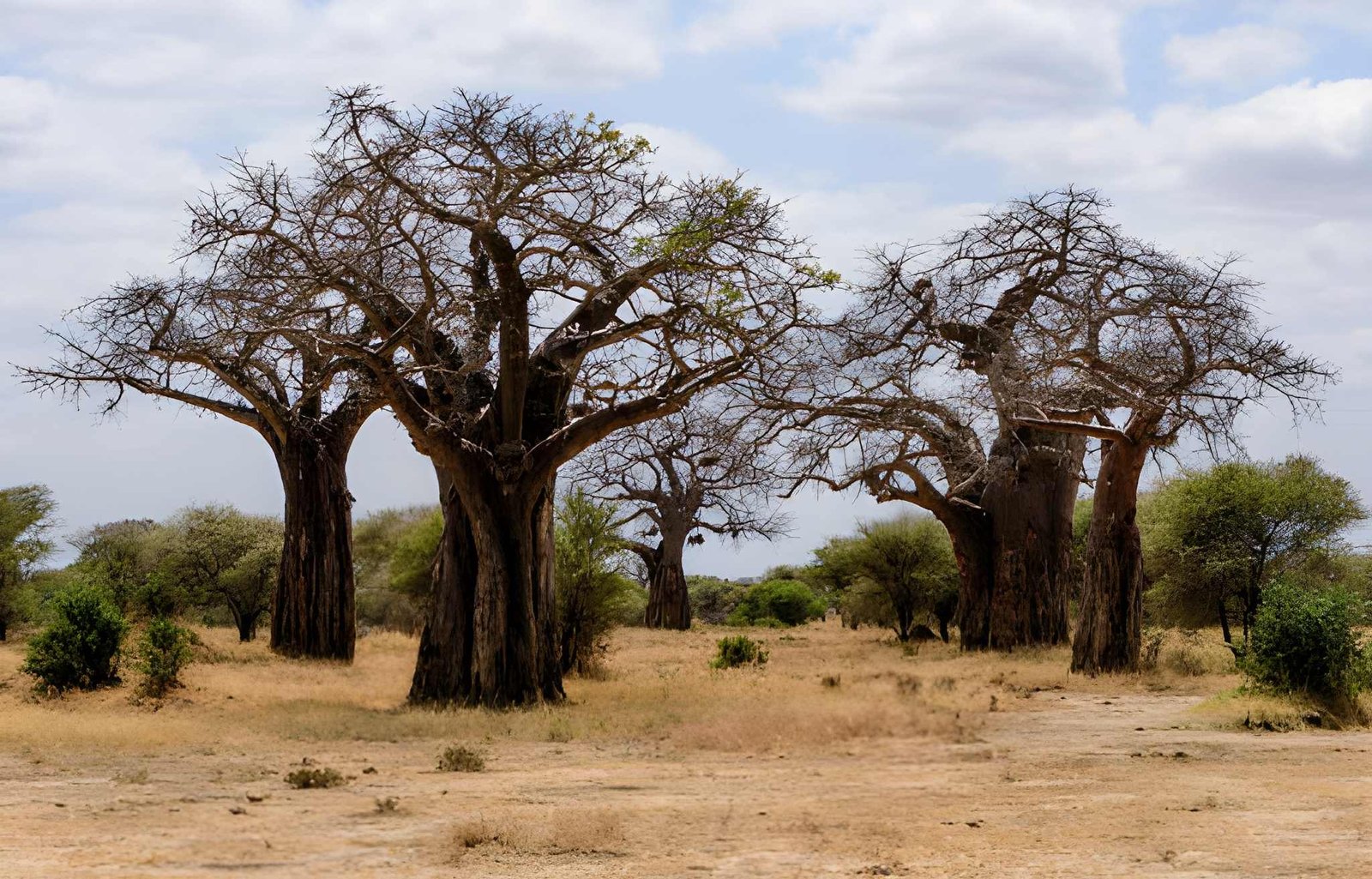
Tarangire National Park
Elephant herds, ancient baobabs and golden savannah — an authentic Tanzania safari shaped by the Tarangire River.
 Northern Circuit
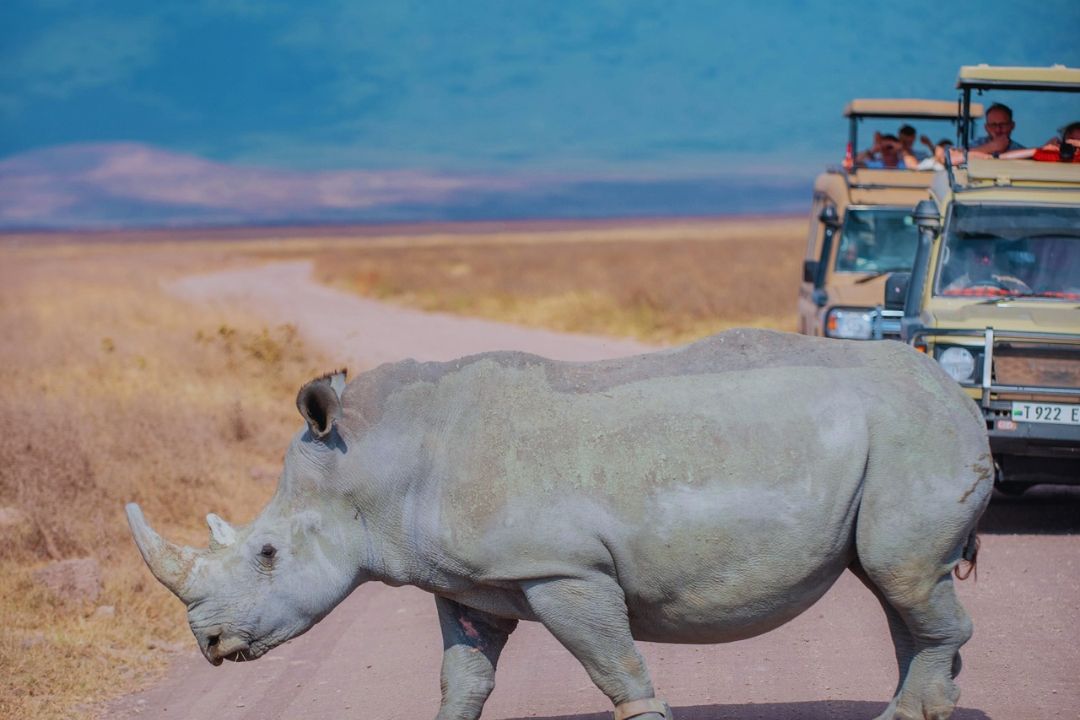
Ngorongoro Crater
 Northern Circuit
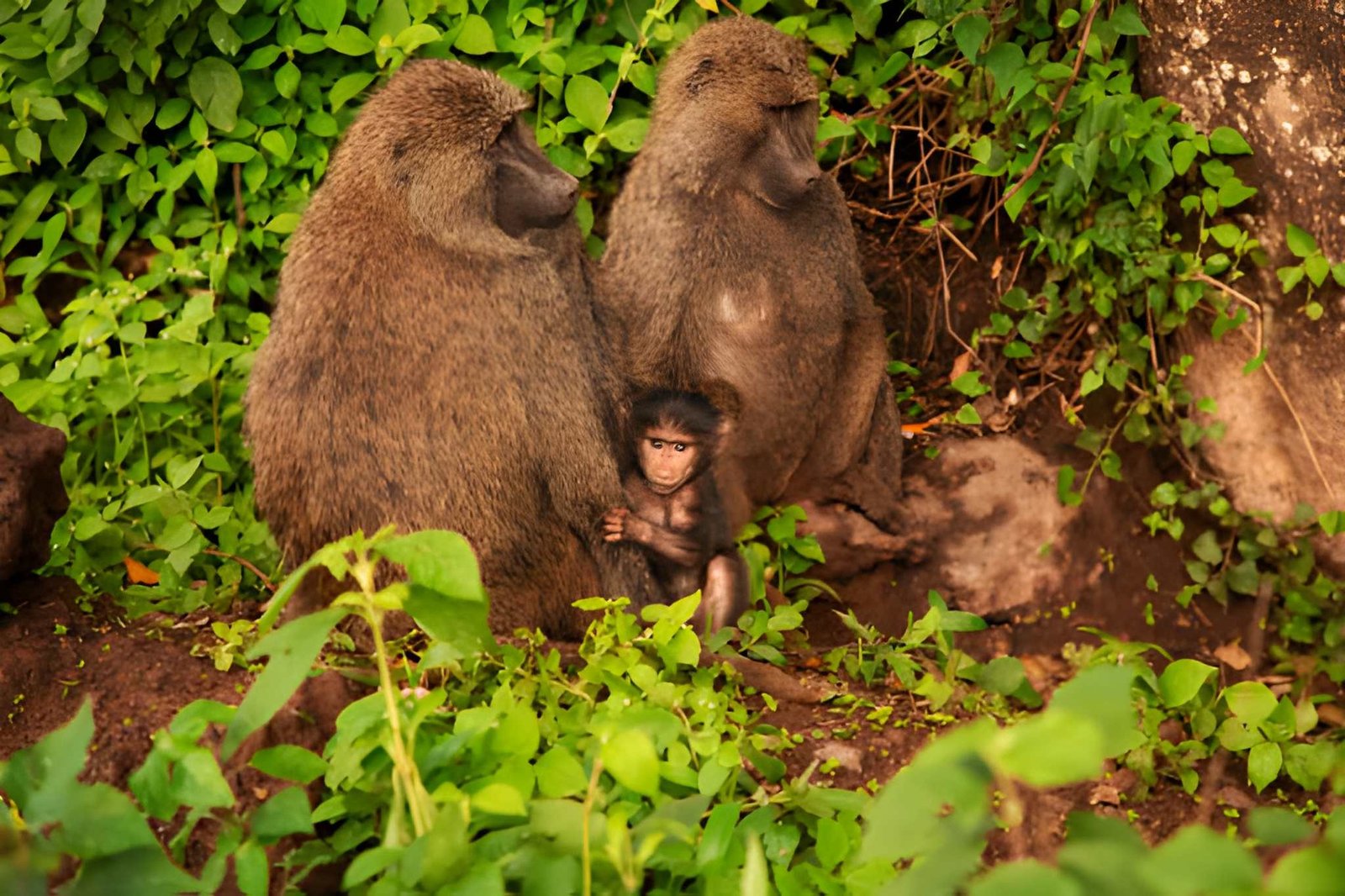
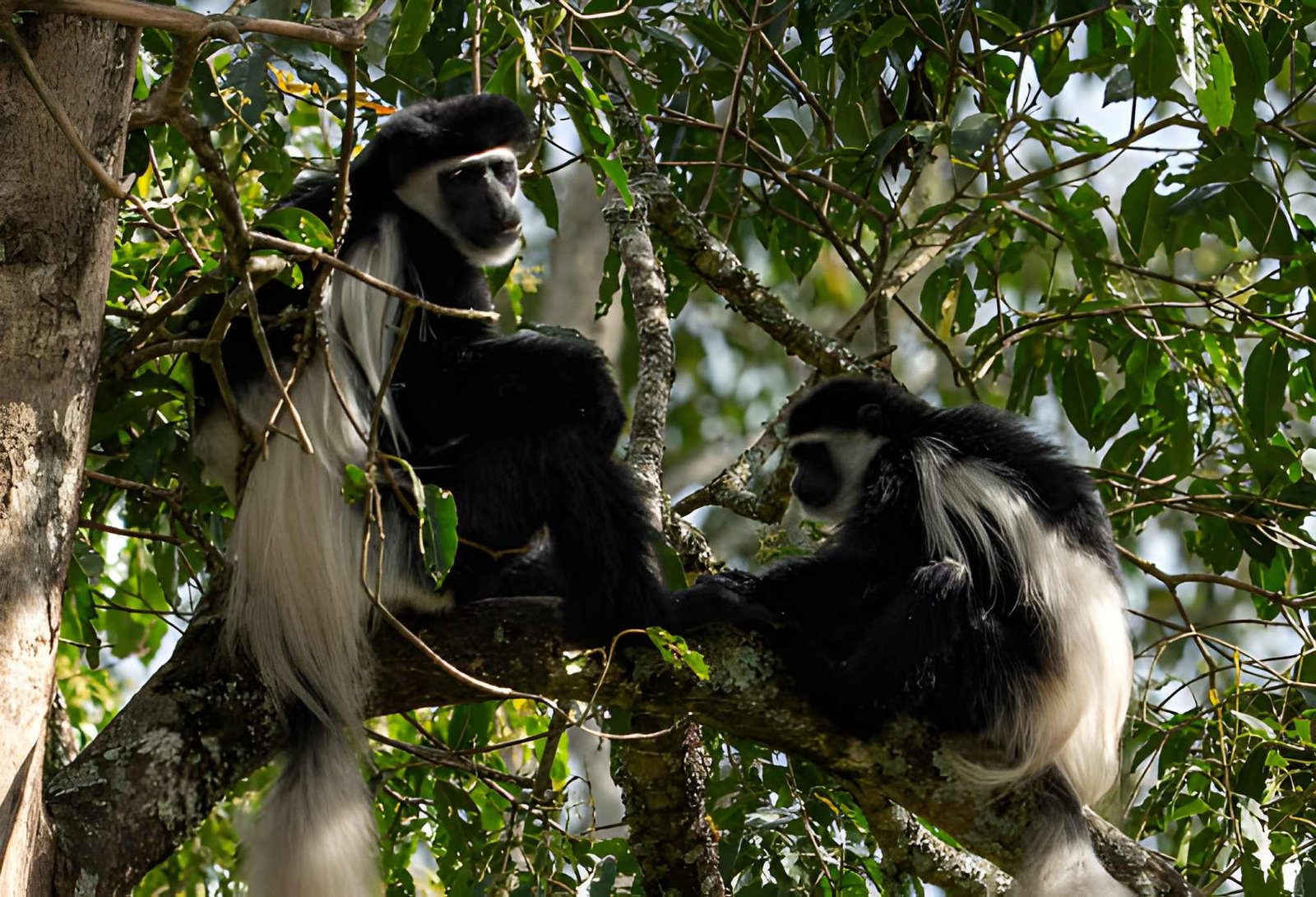
Lake Manyara National Park
 Northern Circuit
Arusha National Park
 Mountains
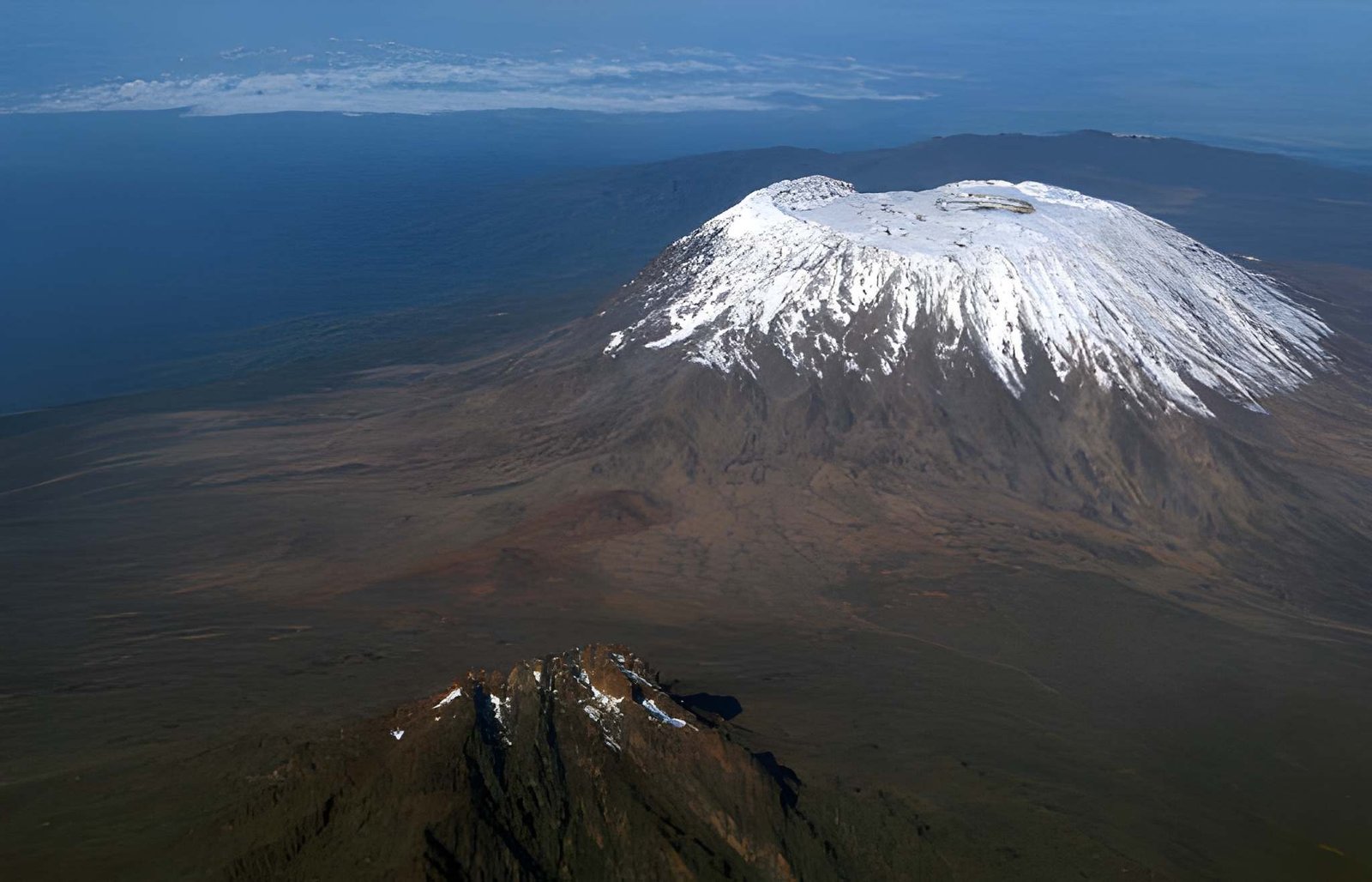
Kilimanjaro National Park
Africa's highest peak can be climbed by anyone who is fit and well prepared — the right route and enough days to acclimatise make the difference. Our mountain crews are led by certified guides, carry emergency oxygen and a full first-aid kit, and check every climber's oxygen level and pulse twice a day.
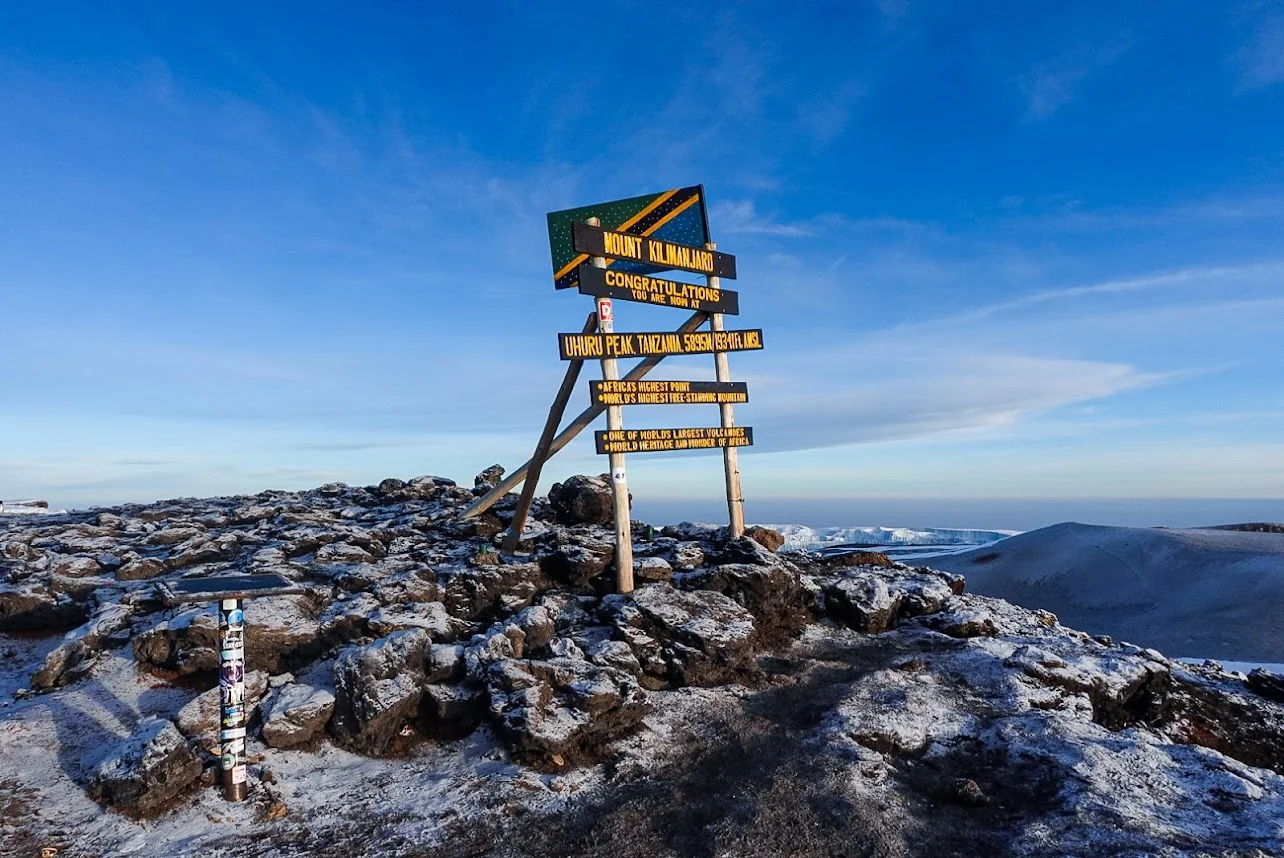
Every route reaches Uhuru Peak. The difference is the scenery, how busy it is and how gradually you gain altitude.
Scenic western approach across the Shira Plateau, quiet in the first days and excellent for acclimatisation. Our first choice for most climbers.
The popular "Whiskey Route", with varied scenery and the Barranco Wall scramble. Choose the 7-day version for a better chance of reaching the summit.
The only route with mountain huts instead of tents. Shorter and more gradual underfoot, but the 5-day version gives little time to acclimatise.
Starts from the drier northern side near the Kenyan border. Quieter, and a good choice during the rainy season.
The longest route, circling the remote northern slopes. The best acclimatisation profile and very few other climbers.
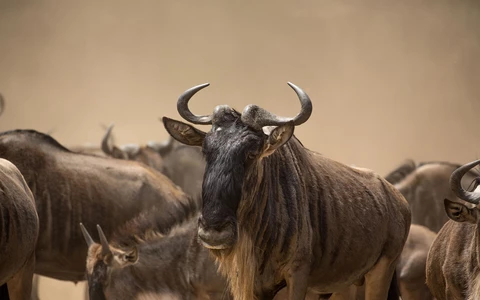
Around 1.5 million wildebeest, with zebra and gazelle alongside them, move in a year-round loop between the southern Serengeti and Kenya's Maasai Mara. Where you stay decides what you see, so we match your camp to where the herds are in the month you travel.
Jan – Mar
Calving season. Thousands of calves are born every day on the short-grass plains, drawing lions, cheetahs and hyenas.
Apr – May
The long rains turn the plains green as the herds move north-west. Fewer visitors and lower lodge rates.
Jun – Jul
The herds gather at the Grumeti River for the first river crossings, watched by large crocodiles.
Aug – Oct The herds are here now
The famous Mara River crossings. This is peak season — book camps around Kogatende early.
Nov – Dec
The short rains bring the herds back south through the eastern Serengeti towards Ndutu.
We work with trusted lodges and tented camps in every park. Any of our itineraries can be quoted at each of these three levels.
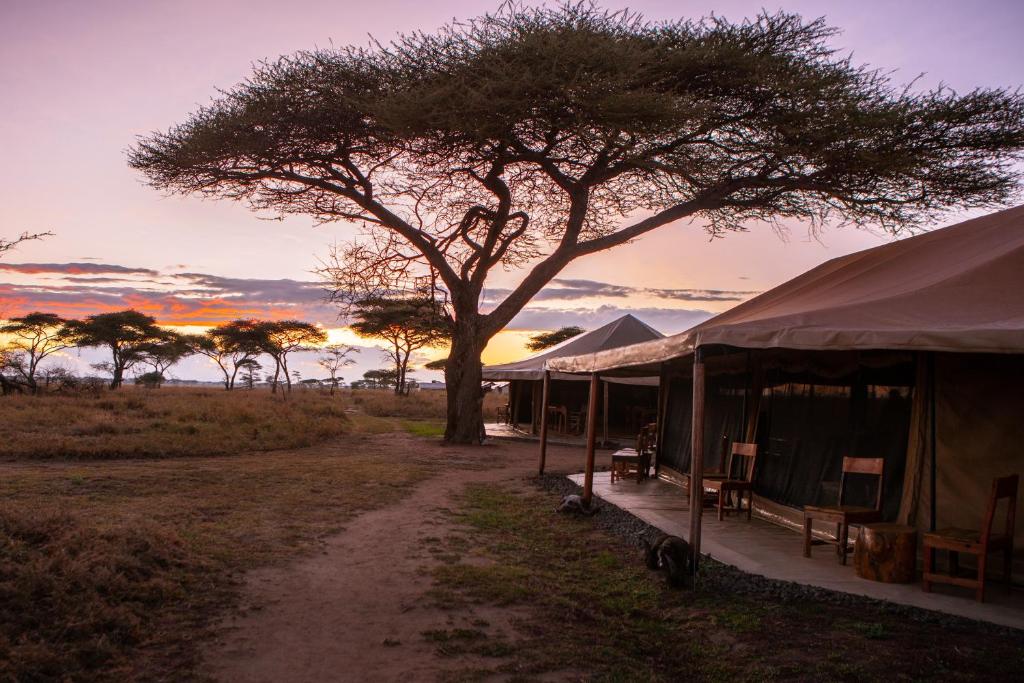 Budget
Dome tents at public campsites or simple lodges, with a camping cook travelling with you. The best way to see more parks for less.
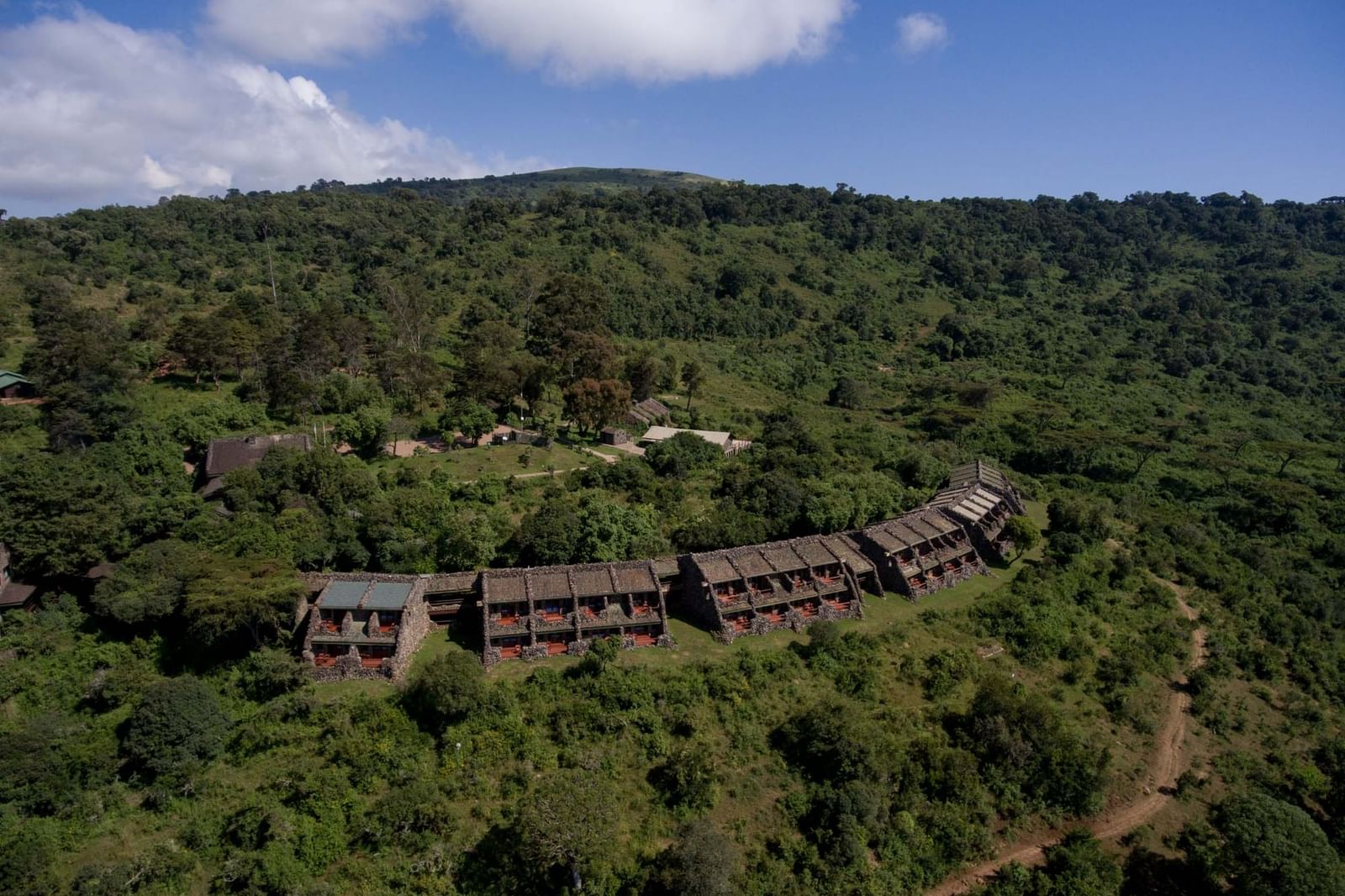 Mid-range
Private en-suite rooms, good food and locations close to the best game-viewing areas. Our most-booked option.
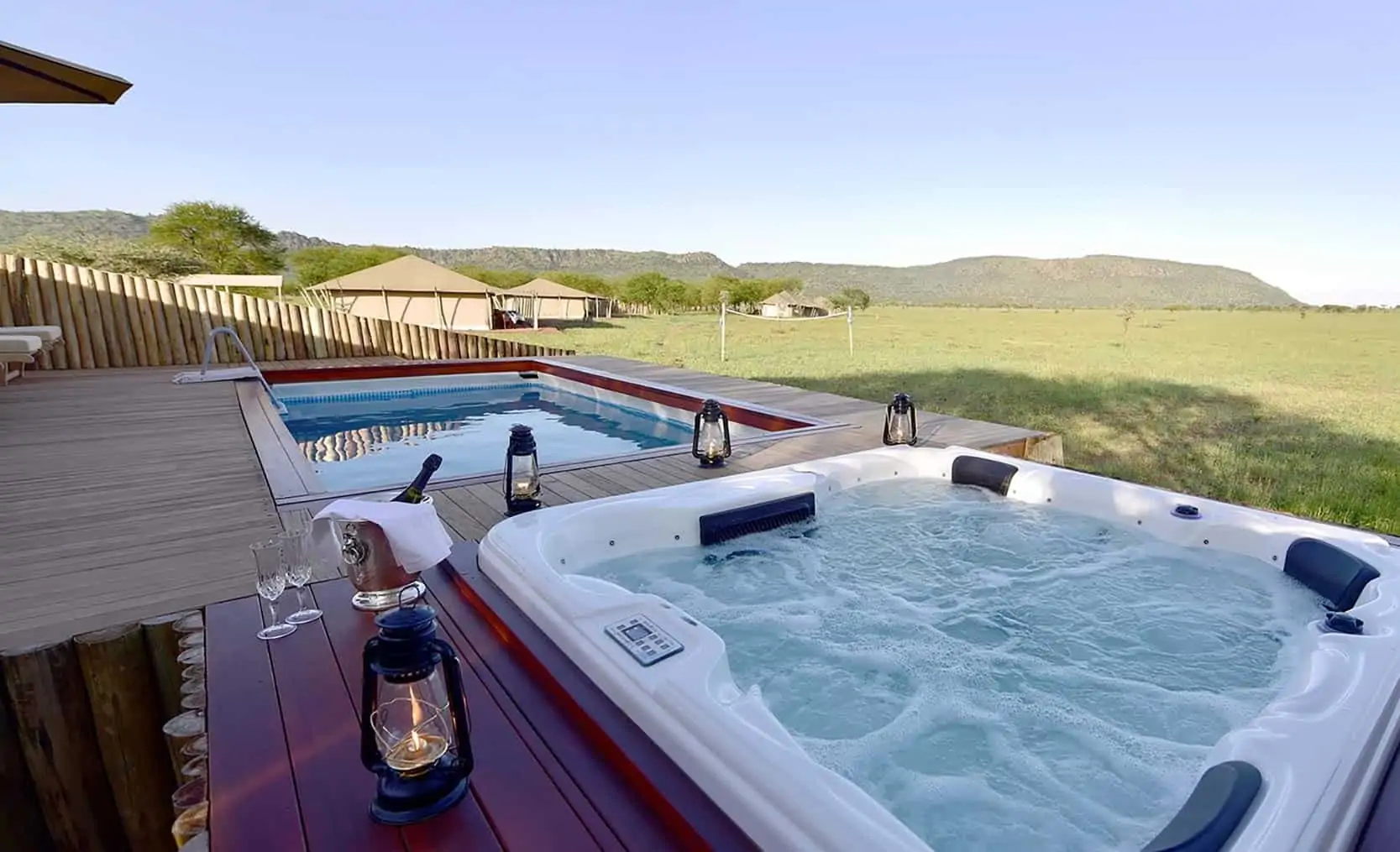 Luxury
Spacious suites and tents in exclusive locations, fine dining and personal service — ideal for honeymoons and special occasions.
Mix game drives with walking, culture, ballooning and time on the ocean.
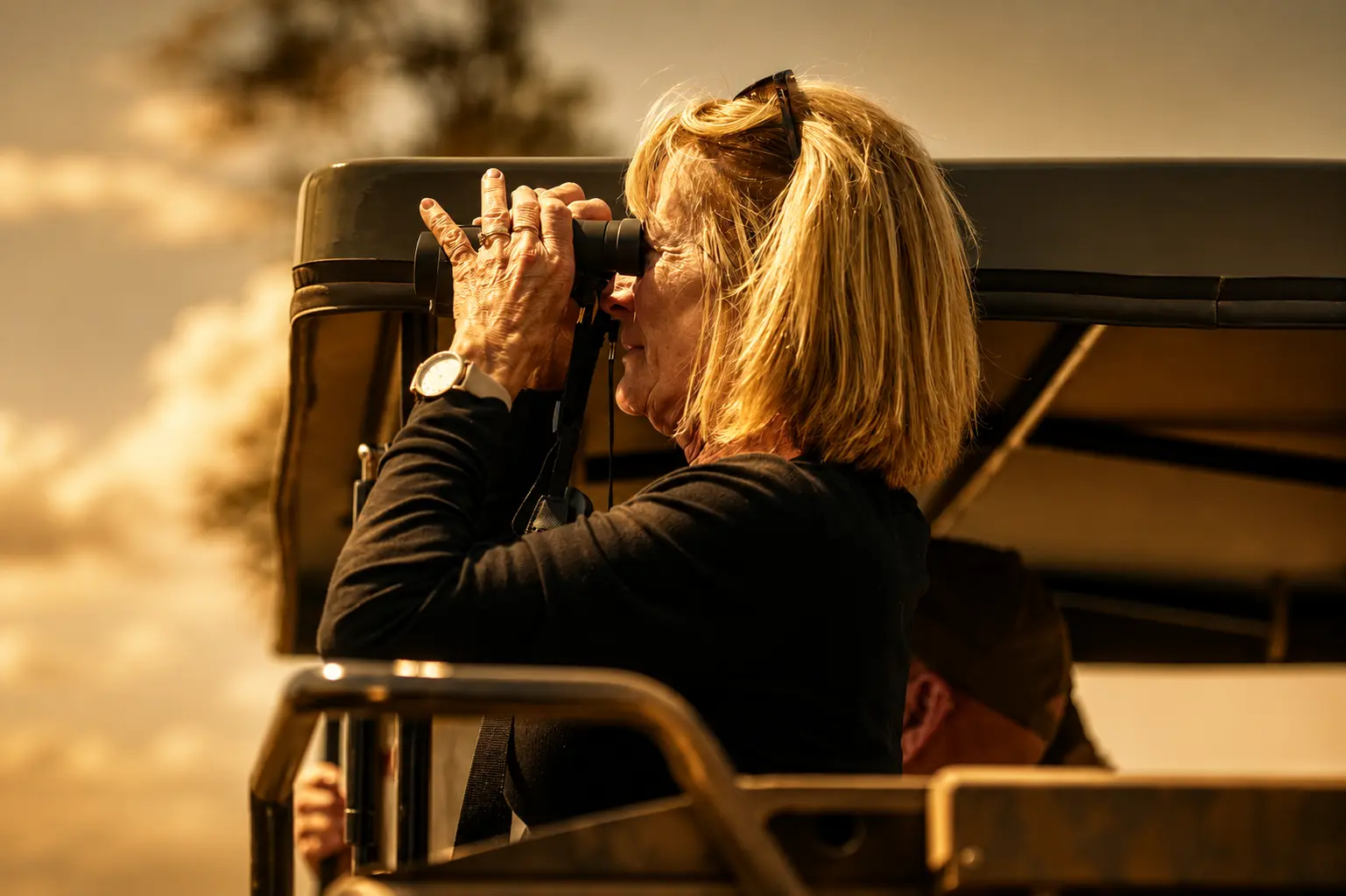 Game drives in a private 4x4
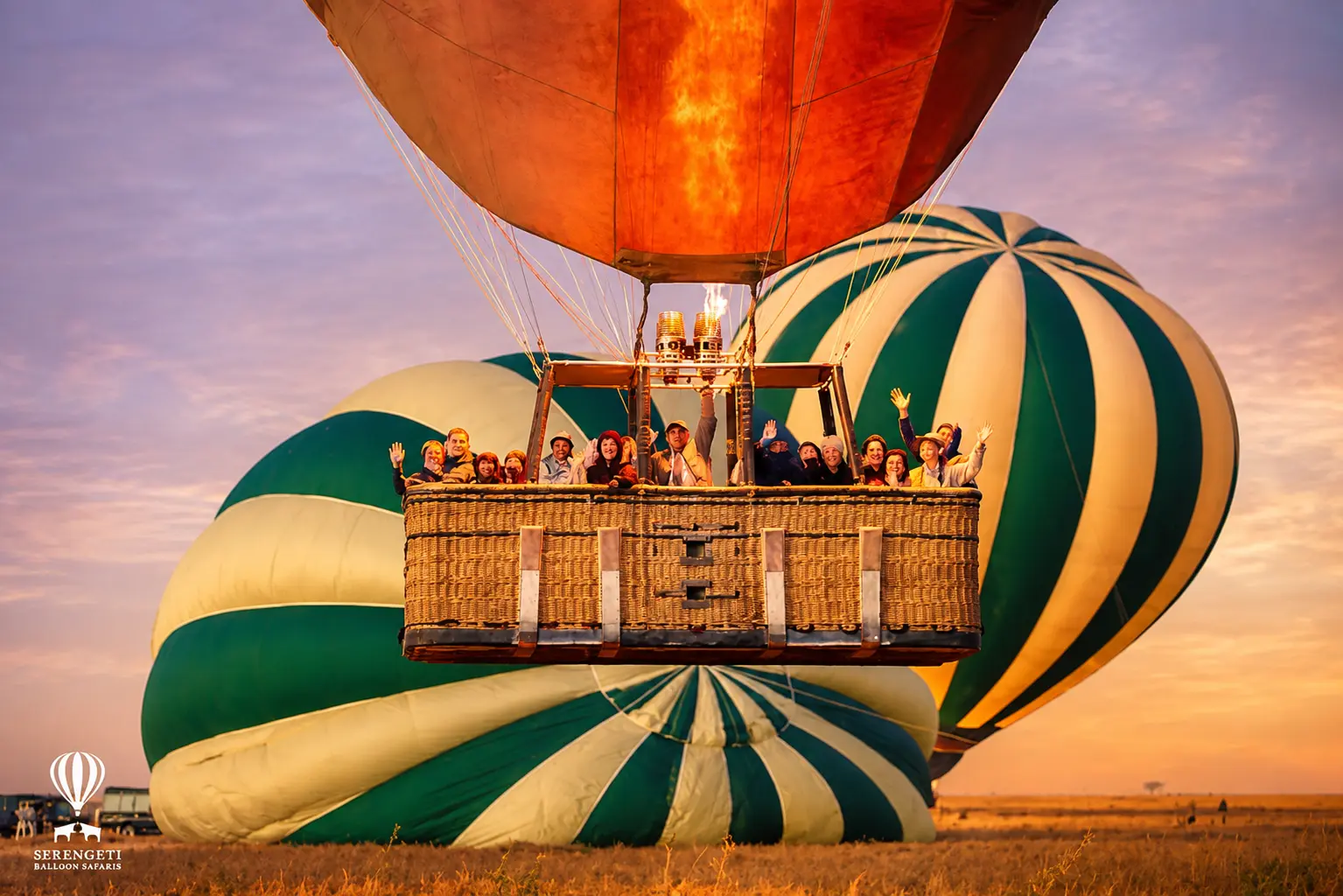 Hot air balloon safari
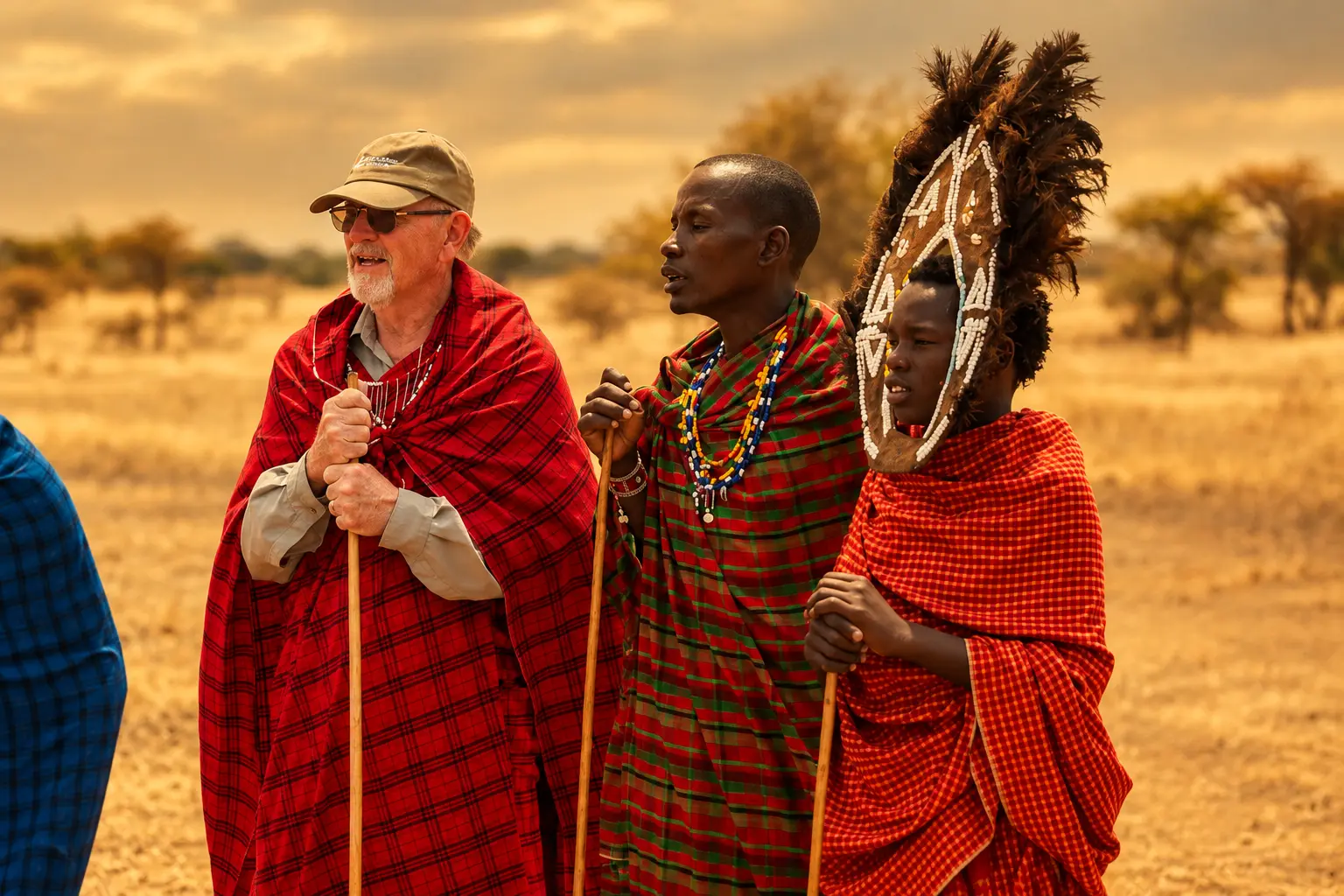 Maasai & Hadzabe visits
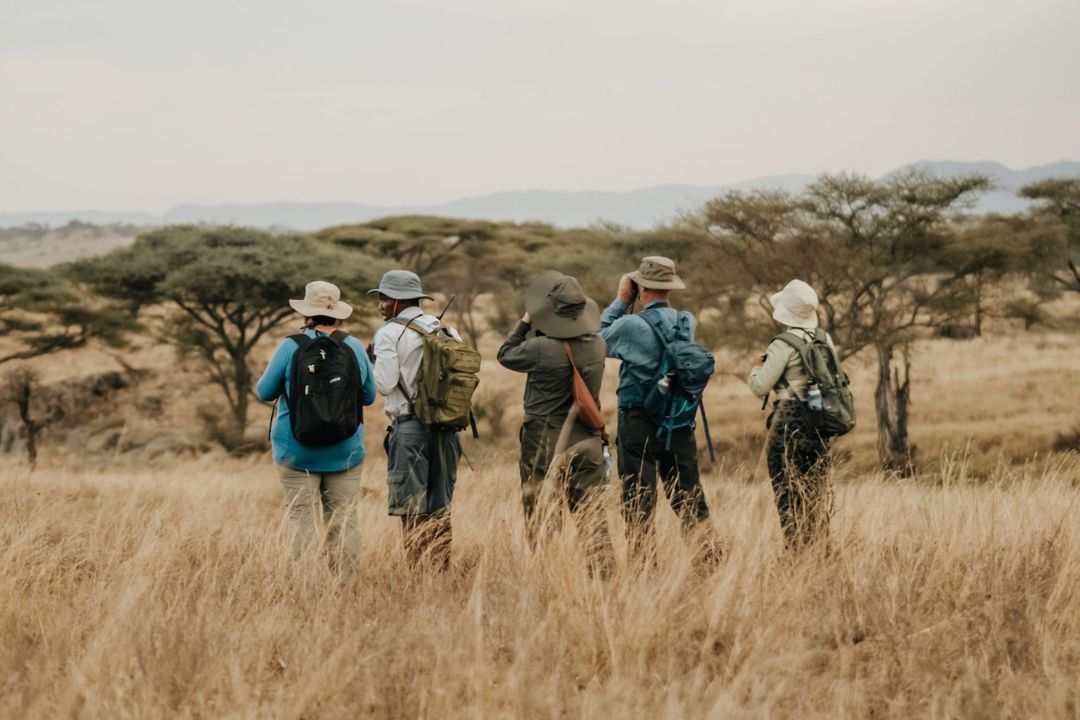 Walking safaris
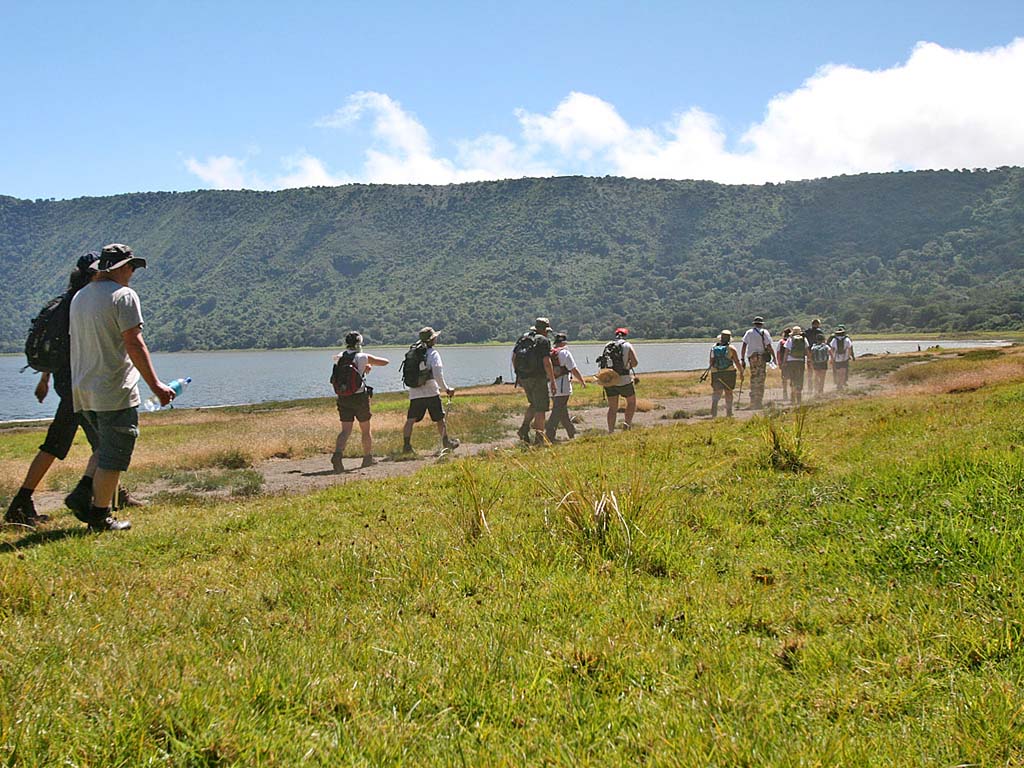 Day hikes & crater walks
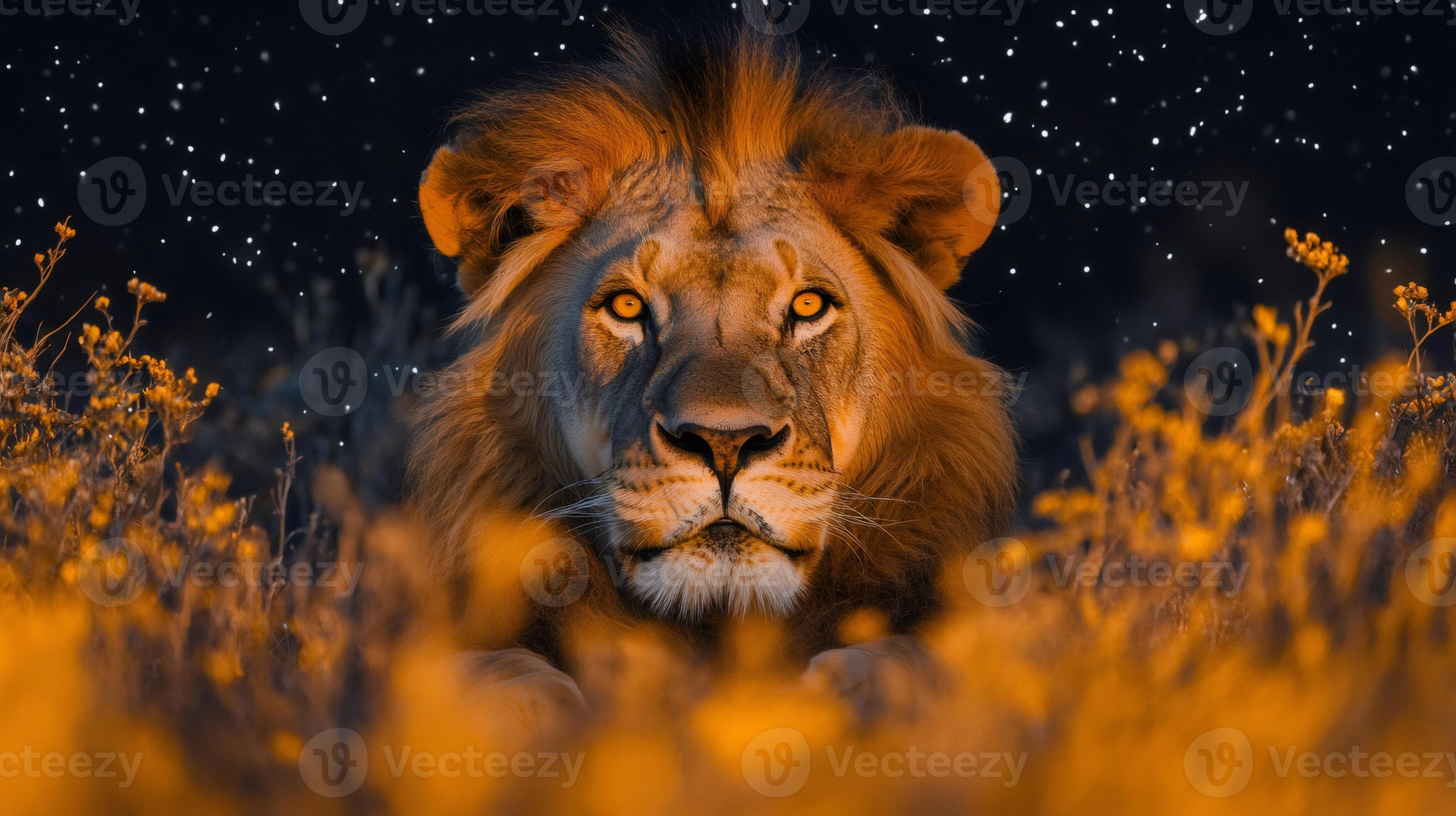 Night game drives
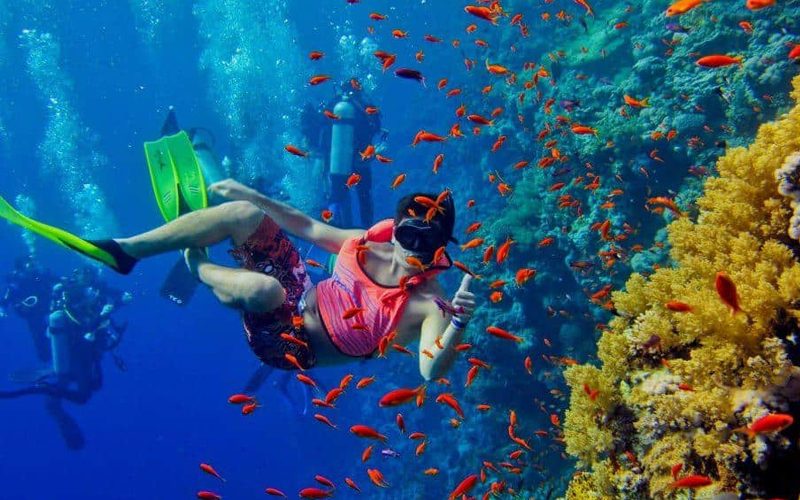 Snorkelling in Zanzibar
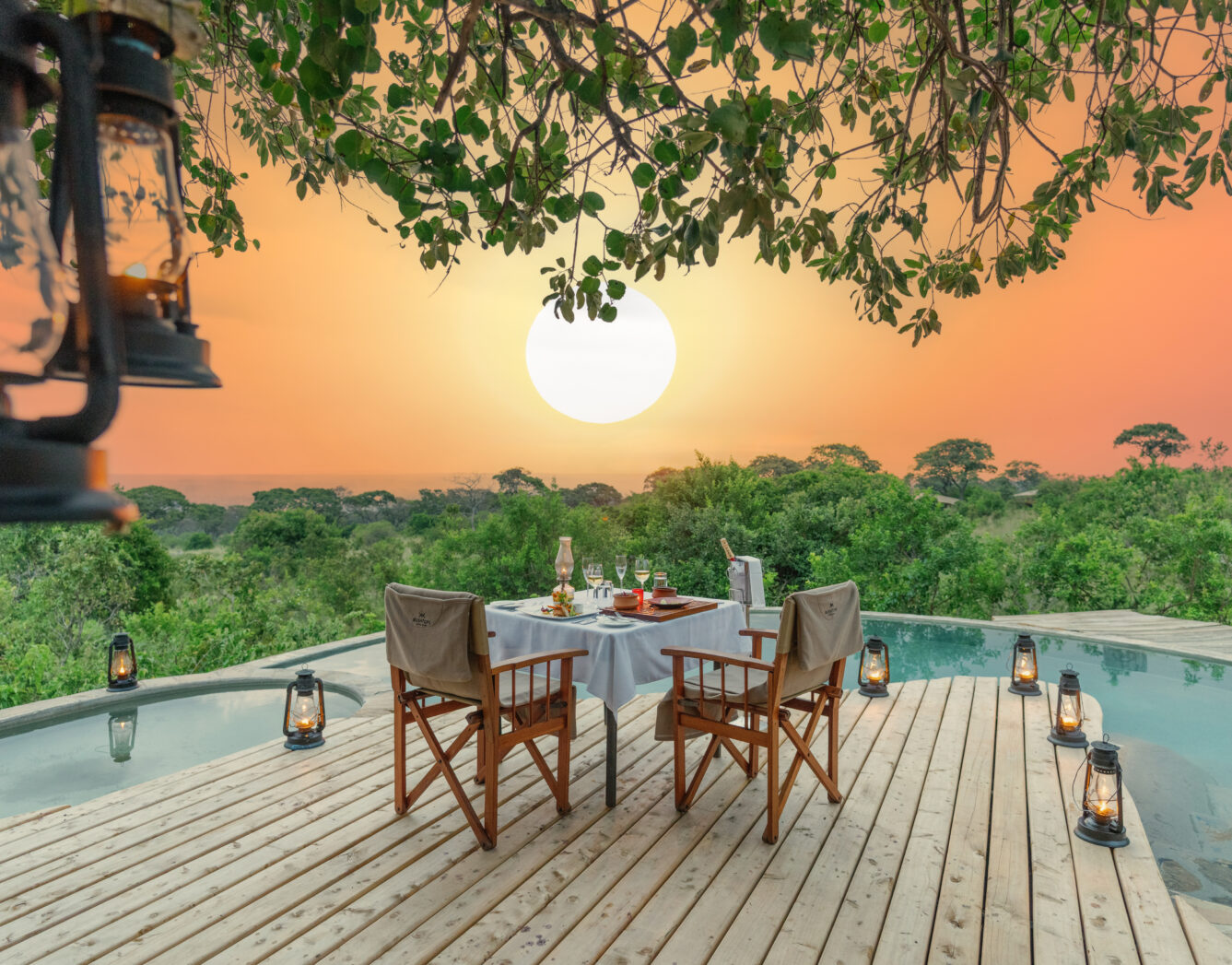 Sundowners & bush dinners
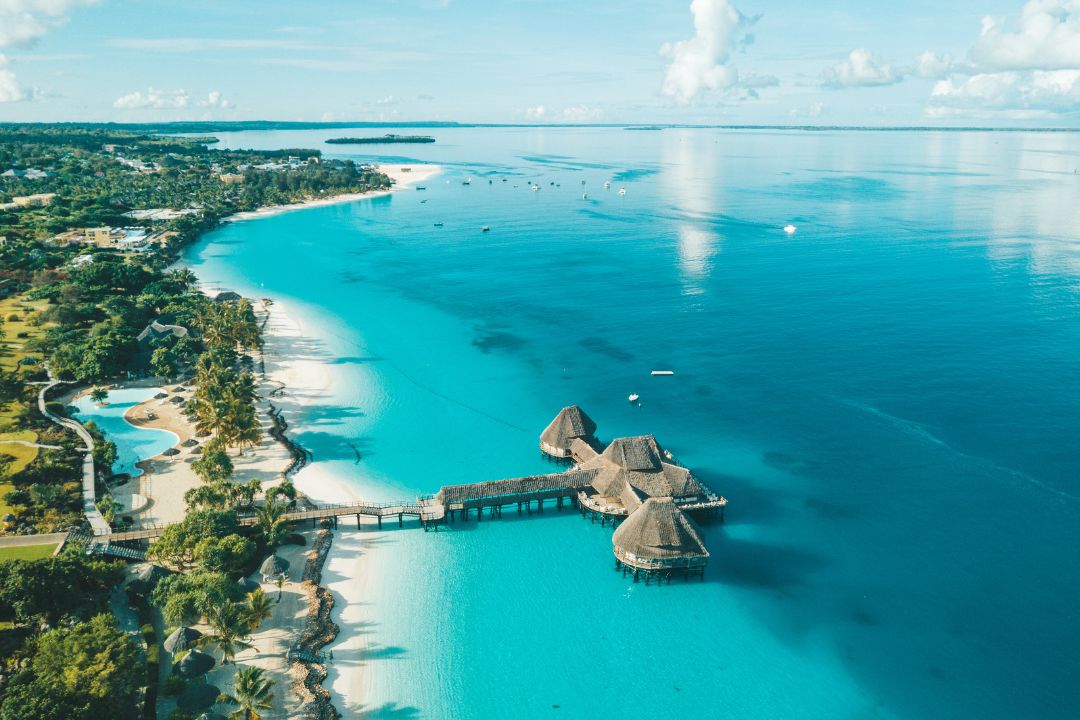
A short flight from Arusha or the Serengeti takes you to the Spice Island. Relax on the white-sand beaches of Nungwi, Kendwa or Paje, wander the lanes of Stone Town — a UNESCO World Heritage Site — and swim with turtles on the reef. We arrange the flights, transfers and hotel so the switch from safari to beach is easy.
Reviews from travellers who explored Tanzania with us.
I am happy to write a review for Rising Journey Expedition with a special recognition for Guide, Nicholas Otaro. From the welcoming moment we met in Arusha and 12 days that followed through the Ngorongoro Crater, Tarangire, West Serengeti, and North Serengeti; Nicholas provided top notch service as a professional guide, driver,…
Our Valentine’s Day sunrise balloon safari over the Serengeti National Park with Serengeti Balloon Safaris was absolutely magical. Floating above the golden plains while watching elephants and giraffes below was romantic and unforgettable.
Everything was perfectly organized by Rising Journey Expeditions. The service was seaml…
⭐️⭐️⭐️⭐️Exceptional safari Experience with Rising Journey Expeditions.
Feb 2026 • Friends
My safari experience with Rising Journey Expeditions was absolutely outstanding. From the seamless organization to the professionalism of our guide, everything exceeded my expectations.We witnessed breathtaking wildlife moments includ…
Can't find what you are looking for? Send us a message and a member of our Arusha team will reply within 24 hours.
Ask us a questionJune to October, the long dry season, is the best time for general game viewing: animals gather around water and the vegetation is thin. January and February are ideal for the wildebeest calving season in the southern Serengeti. April and May bring the long rains, but also green landscapes, fewer vehicles and lower prices.
The price depends on the number of travellers, the season, the parks you visit and the level of accommodation. Park fees are a large part of the cost, and larger groups share the vehicle and guide. Tell us your dates and group size and we will send a clear quote showing exactly what is included.
Most visitors need a visa. Many nationalities can apply online through the official Tanzania e-Visa portal before they travel, which we recommend doing a few weeks in advance. Requirements differ by passport, so check the current rules for your nationality.
A yellow fever certificate is required if you arrive from, or transit for a long time through, a country with yellow fever risk. Malaria prevention is recommended for most safari areas and Zanzibar. Visit a travel clinic around six weeks before your trip for advice specific to you.
Kilimanjaro International Airport (JRO) is the closest international airport to Arusha, Moshi and the northern safari parks. We pick you up there and bring you to your hotel. For a Zanzibar extension, flights connect to Abeid Amani Karume International Airport (ZNZ).
You do not need climbing experience, but you should be comfortable walking for 5–8 hours a day for several days in a row. Regular hiking, stairs and cardio in the months before your climb help a lot. Choosing a longer route gives your body more time to acclimatise, which matters more than fitness alone.
Yes, and many of our guests do. A common plan is a Kilimanjaro climb, followed by three to five days on safari, and then a few nights on a Zanzibar beach. We handle every transfer and domestic flight in between.
Absolutely. We plan family safaris with shorter driving days, family rooms or tents, and child-friendly lodges. Some lodges and activities have minimum ages, so let us know your children's ages when you enquire.
Practical advice from our guides on seasons, packing and the parks.
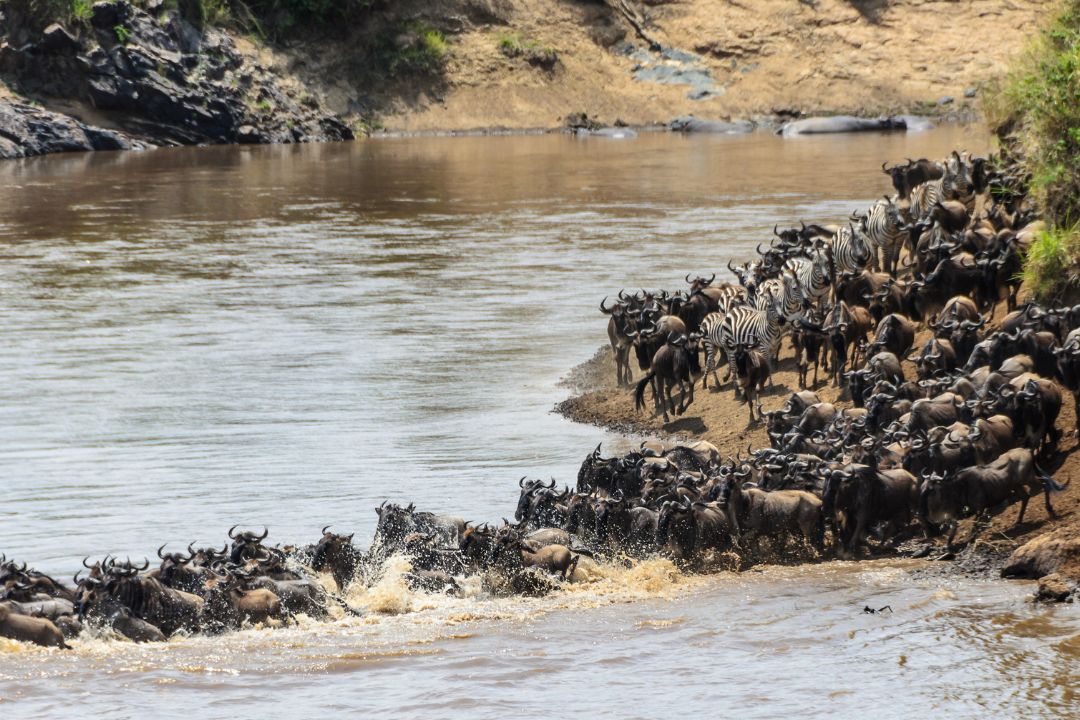
A month-by-month look at where the herds are, from calving in Ndutu to the Mara River crossings.
The Great Migration never stops, so there is no single "best" month — only the best place to be in the month you travel.
From January to March the herds are in the southern Serengeti and the Ndutu area for the calving season. Thousands of calves are born each day, and predator sightings are excellent. April and May are the rainy months: the plains turn green, lodges are quieter and prices drop.
In June and July the herds move through the Western Corridor to the Grumeti River, where the first crossings happen. From August to October they reach the northern Serengeti and the Mara River — the dramatic crossings most people picture. This is peak season, so camps near Kogatende fill up early. In November and December, the short rains bring the herds back south.
Our tip: decide what you most want to see, then book your camp around it. We move our safari routes with the herds all year.
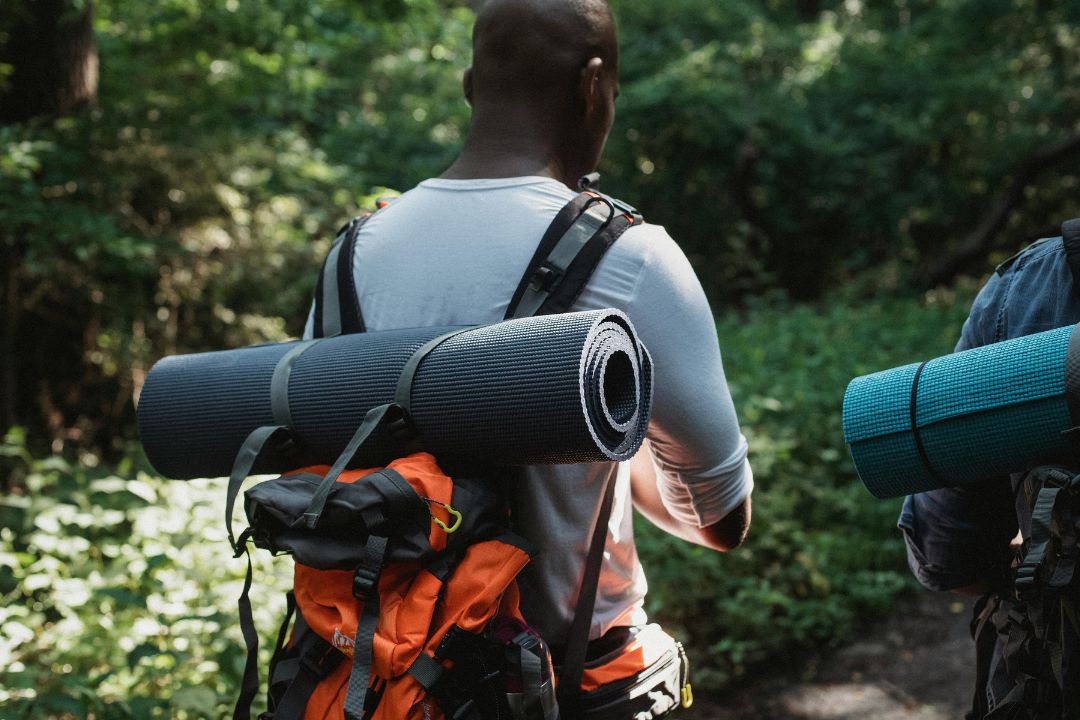
The layers, boots and small extras that keep you warm and comfortable from rainforest to summit.
On Kilimanjaro you walk through five climate zones, from warm rainforest to freezing summit nights, so layering is everything.
The essentials: broken-in waterproof hiking boots, a warm down jacket, a waterproof shell jacket and trousers, fleece or softshell mid-layers, thermal base layers, warm gloves and a hat. A sleeping bag rated to around -10°C is important for the higher camps.
Don't forget a headlamp with spare batteries, sunglasses, sun cream, a refillable water bladder or bottles holding three litres, blister plasters, and any personal medication. Porters carry your main bag (usually up to 15 kg), so you only need a daypack for water, snacks, rain gear and your camera.
If you are missing anything, we can arrange good-quality rental gear in Moshi or Arusha before the climb.
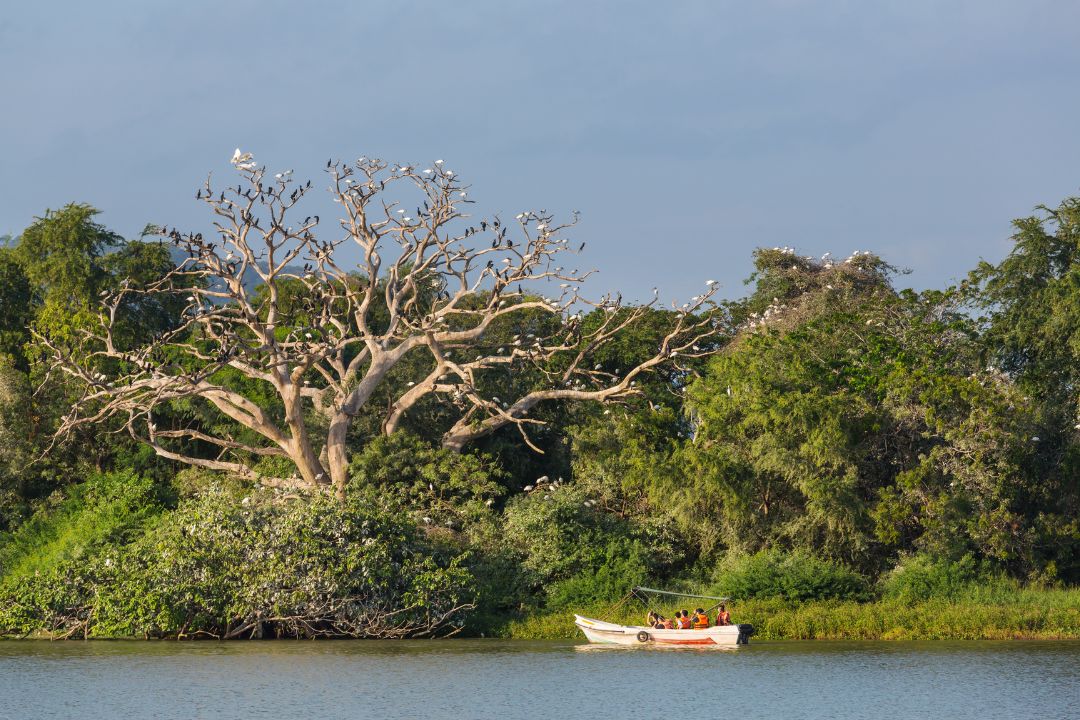
Boat safaris, walking and wild dogs, far from the busier northern routes.
Tanzania's southern parks see only a fraction of the visitors of the Serengeti, which is exactly why many travellers love them.
Nyerere National Park (formerly part of the Selous Game Reserve) is one of the largest protected areas in Africa. The Rufiji River runs through it, so you can combine game drives with boat safaris among hippos, crocodiles and elephants, and walking safaris with an armed ranger. It is also one of the best places to see African wild dogs.
Ruaha National Park is rugged and remote, with baobab-dotted hills, big elephant herds and large lion prides. Both parks are usually reached by short scheduled flights from Dar es Salaam or Zanzibar.
The southern circuit combines beautifully with a Zanzibar beach stay, and is a great choice for a second safari in Tanzania.
Tell us your dates, interests and group size. We'll reply within 24 hours with a suggested itinerary and a clear price.


